
Article · 10 min
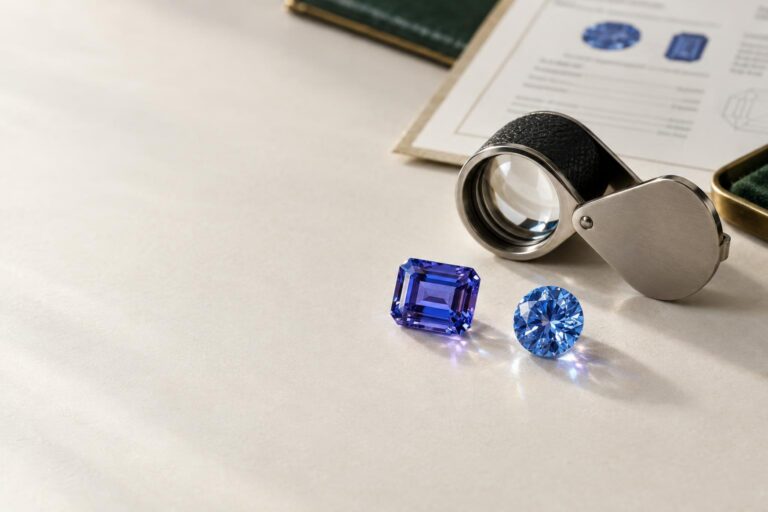
Why can’t a gemstone origin report always name a country?
Key takeaways A gemstone origin report gives an expert opinion on which deposit a stone came from, not proof. Whether a stone is natural…
Subject
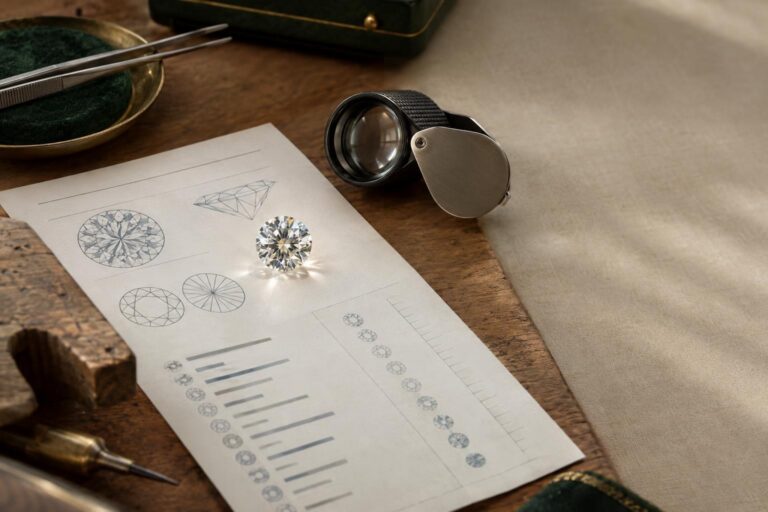
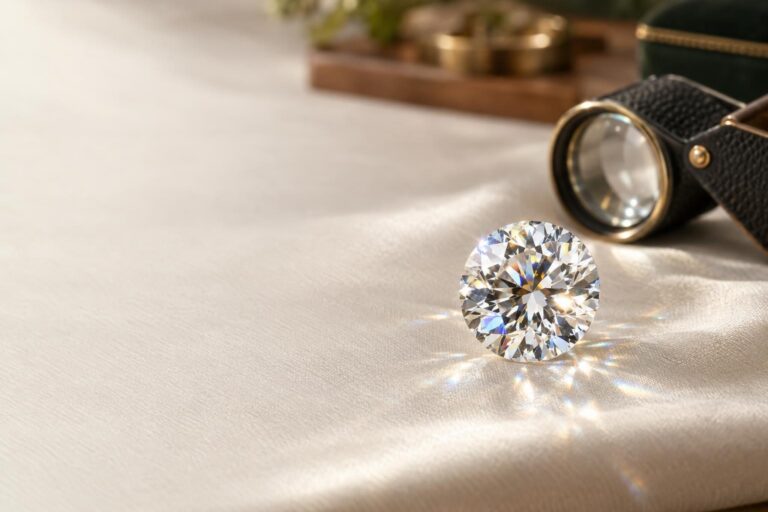
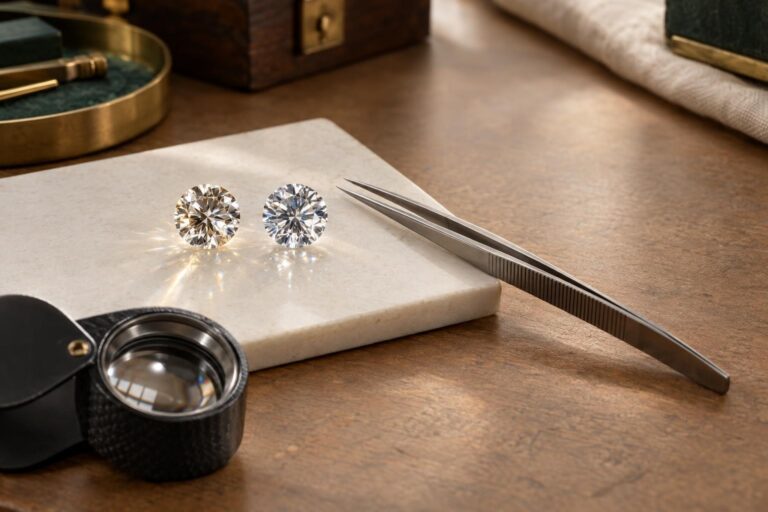
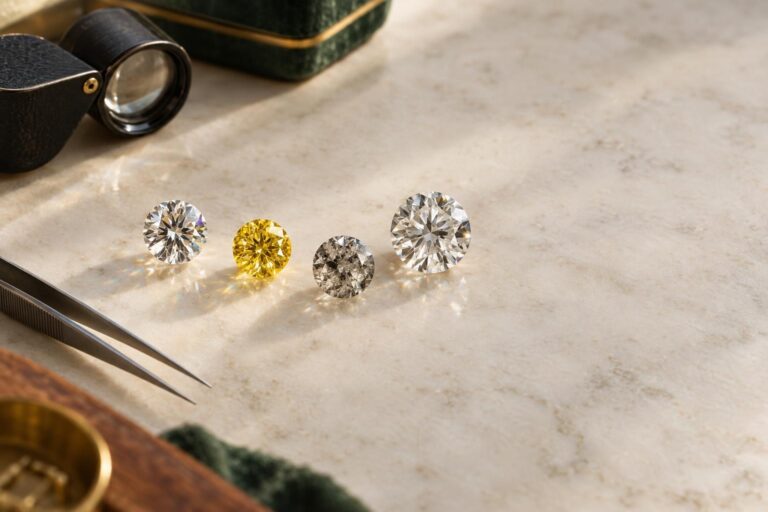
Diamonds are described by a small set of characteristics that, once you understand them, make every choice clearer. This section explains what the 4 Cs actually change in the stone you see, why cut does more for beauty than any single grade, how to read a grading report, and how natural and laboratory-grown diamonds genuinely differ. Start with the 4 Cs, then move to cut and light performance, reports, and the natural-versus-lab-grown comparison. Nothing here assumes you will buy from Ralph Jacobs — the aim is that you can choose well anywhere.
Key takeaways A gemstone origin report gives an expert opinion on which deposit a stone came from, not proof. Whether a stone is natural…

Key takeaways A video lets you watch a diamond’s contrast and brightness change as it is rocked and tilted. In ovals, the bow-tie can…
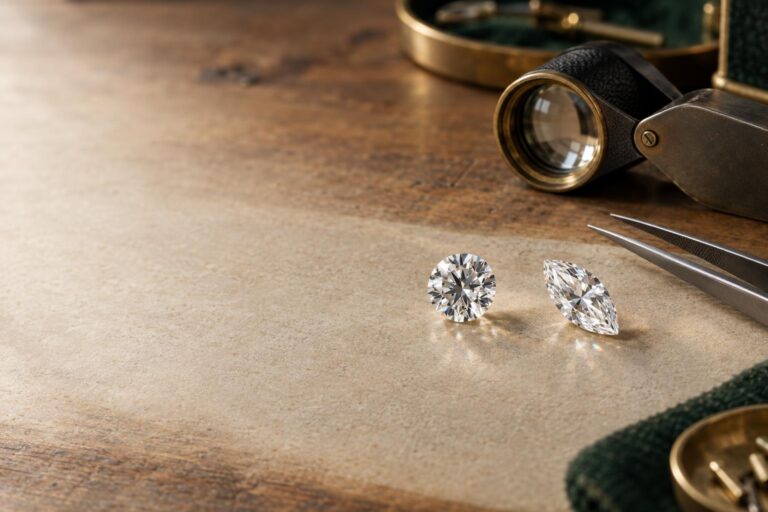
Key takeaways A marquise’s long shape can make it look larger face-up than a round diamond of the same carat weight. Most marquise diamonds…
Why laboratory-grown diamond resale value matters before you buy You may be drawn to a laboratory-grown diamond, then hear that it is worth little…
Why your grading report may not be what your insurer asked for Your insurer has asked for a valuation of your diamond. You already…