
Why does a mark inside your gem matter? It is part of how a gem’s clarity is judged, and it can tell you a lot about the stone. Features inside a gem are called inclusions, and marks on the surface are called blemishes. Many inclusions form when a crystal grows quickly and traps gas, liquid or solid matter 1. Others are not growth features. A feather is a break inside the stone, and a laser drill-hole is a tiny tunnel made during treatment 3.
Clarity: from flawless to included
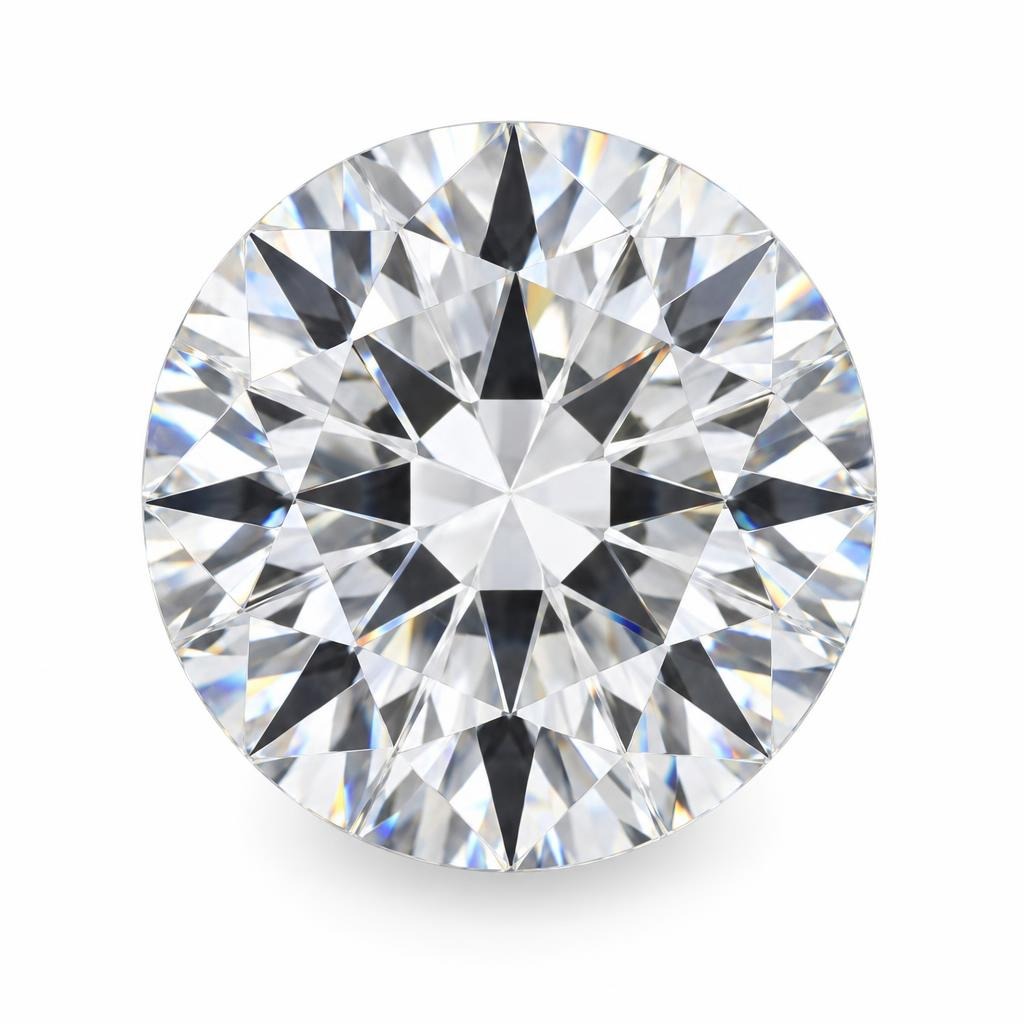
- FL Flawless
- IF Internally flawless
- VVS1 Very, very slightly included
- VVS2 Very, very slightly included
- VS1 Very slightly included
- VS2 Very slightly included
- SI1 Slightly included
- SI2 Slightly included
- I1 Included
- I2 Included
- I3 Included
Pictures: one AI-generated illustration of a diamond, adjusted for each grade. They show how the grades differ; they are not a grading of any stone.
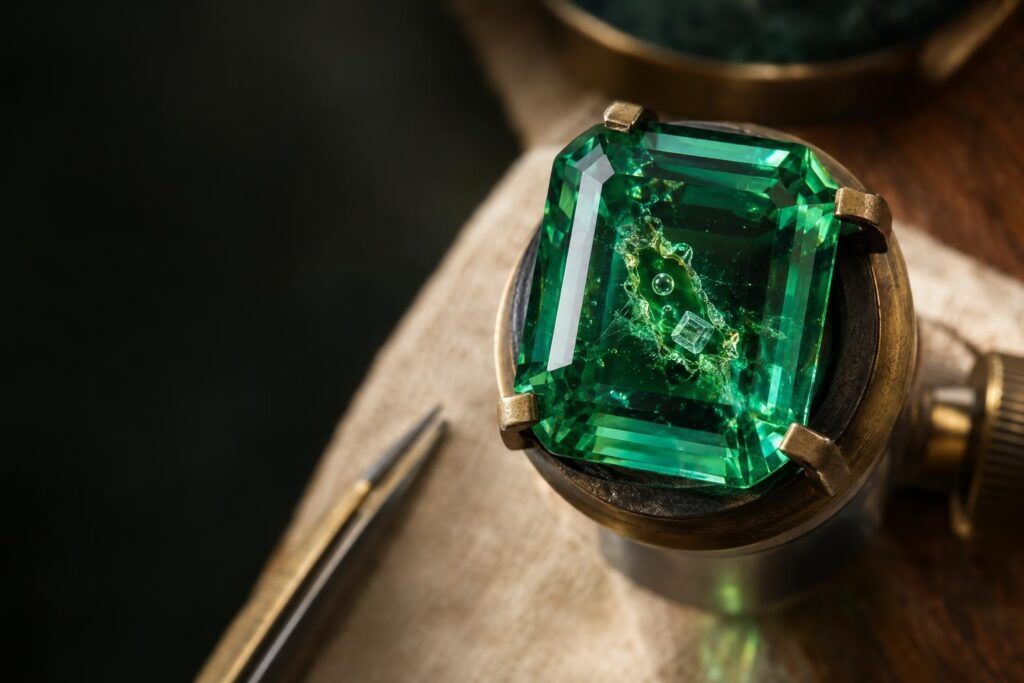
Does an inclusion lower value? It depends on the gem and on the inclusion. Each type of gem has its own link between clarity and value. Some inclusions even add value, like those that give Kashmir sapphire a velvety look 5. For diamonds, clarity is judged on the size, position, visibility and number of features, and many can’t be seen without magnification 2. Almost all emeralds have significant fractures, which make them more brittle and easier to damage in careless wear 4. You can read more about clarity grades.
What can an inclusion tell you? It can work like a fingerprint. Experts use these features to tell natural diamonds from laboratory-grown diamonds and look-alike stones, and even to identify one stone 3. Lab-grown and treated emeralds often show inclusions that are visual evidence of their growth or treatment 6. Only a jeweller or gemmologist who examines your stone under magnification can say what your inclusion is, and whether it affects durability or value.
Example: Say you look at an emerald through a loupe (a small hand-held magnifier) and see soft, mossy shapes inside. These are often called jardin, French for garden, and the trade understands and accepts them in emerald 4. See how to buy an emerald for more.