
Gemstone encyclopedia
Every gemstone, explained
What each stone is, how it wears in jewellery, and what to ask before you choose one. Browse by colour, or go straight to a letter.
This encyclopedia is educational. Inclusion does not confirm current Ralph Jacobs stock, sourcing, availability or suitability for a particular jewellery design.
27 of 27 gemstone entries
-
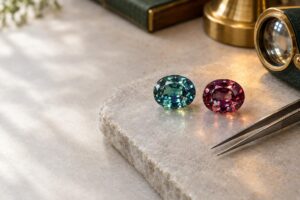 Alexandrite
Hardness 8.5
Quick view
-
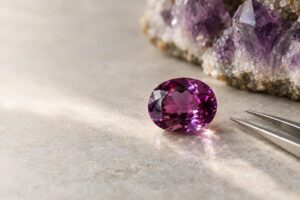 Amethyst
Hardness 7
Quick view
-
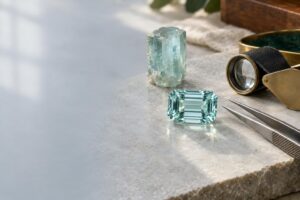 Aquamarine
Hardness 7.5–8 · March
Quick view
-
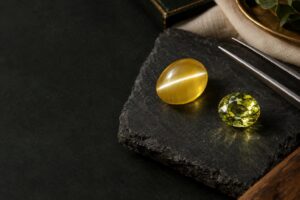 Chrysoberyl
Hardness 8.5 · June
Quick view
-
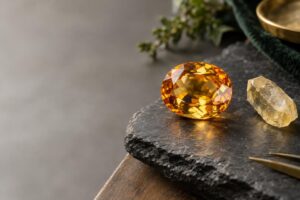 Citrine
Hardness 7 · November
Quick view
-
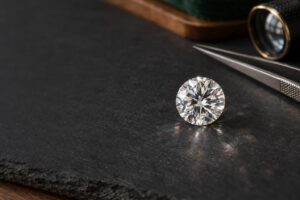 Diamond
Hardness 10 · April
Quick view
-
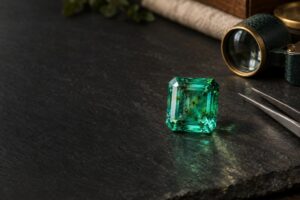 Emerald
Hardness 7.5–8
Quick view
-
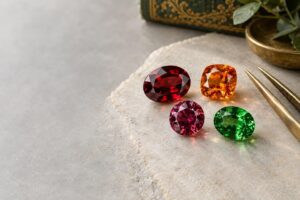 Garnet
Hardness 6.5–7.5
Quick view
-
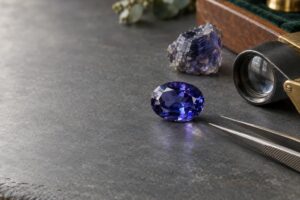 Iolite
Hardness 7–7.5
Quick view
-
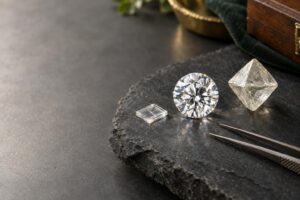 Laboratory-grown
 diamond
Hardness 10
Quick view
-
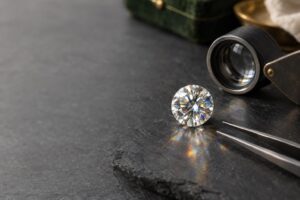 Laboratory-grown
 moissanite
Hardness 9.25
Quick view
-
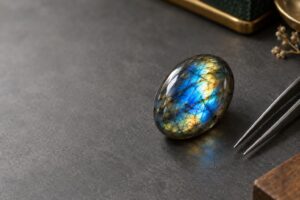 Labradorite
Hardness 6–6.5
Quick view
-
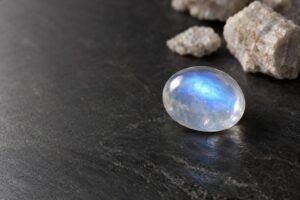 Moonstone
Hardness 6–6.5
Quick view
-
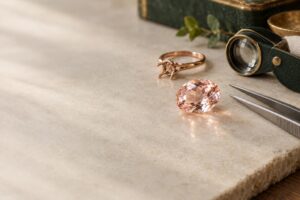 Morganite
Hardness 7.5–8
Quick view
-
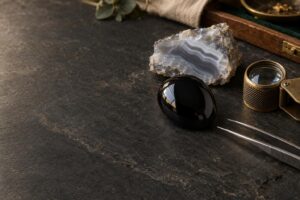 Onyx
Hardness 6.5–7
Quick view
-
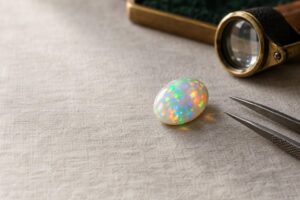 Opal
Hardness 5–6.5
Quick view
-
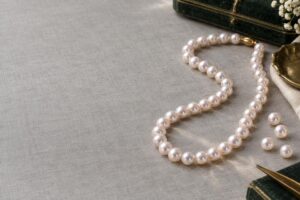 Pearl
Hardness 2.5
Quick view
-
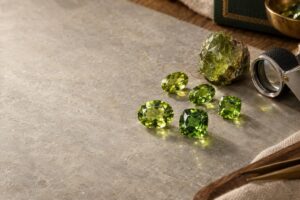 Peridot
Hardness 6.5–7 · August
Quick view
-
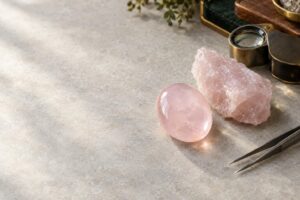 Rose quartz
Hardness 7
Quick view
-
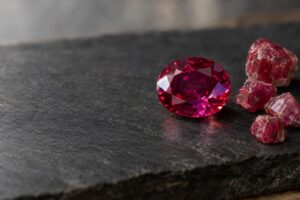 Ruby
Hardness 9
Quick view
-
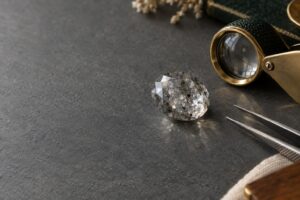 Salt-and-pepper diamond
Hardness 10
Quick view
-
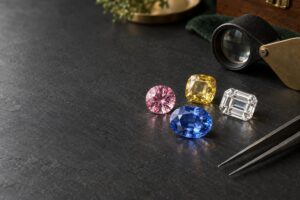 Sapphire
Hardness 9
Quick view
-
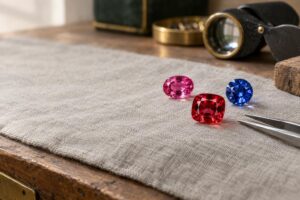 Spinel
Hardness 8
Quick view
-
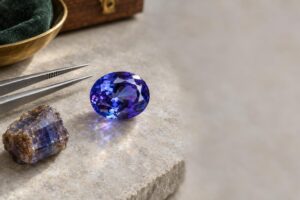 Tanzanite
Hardness 6–7 · December
Quick view
-
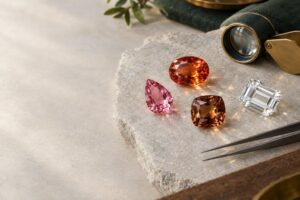 Topaz
Hardness 8
Quick view
-
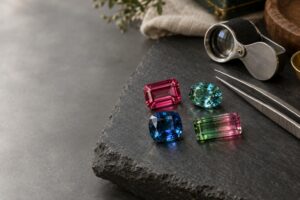 Tourmaline
Hardness 7–7.5
Quick view
-
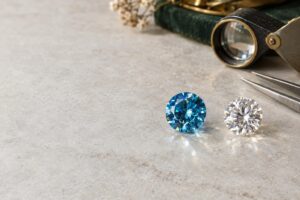 Zircon
Hardness 6–7.5 · December
Quick view
Quick overview
Amethyst
Amethyst is the purple variety of quartz. This entry explains how its colour and clarity are judged, how it wears, whether its colour can fade, and which treatments to ask about.
- Classification
- Mineral variety
- Mohs hardness
- 7 (scratch resistance — one part of durability)
- Wear considerations
- Amethyst rates 7 on the Mohs scale and has good toughness, so it suits all jewellery types, including rings, if the wearer understands the limits of its hardness. Sand and dust are mostly quartz and can scratch it. Sudden temperature changes can cause it to fracture, and some amethyst colour can fade with prolonged exposure to intense light.
- Treatment
- Heat treatment to lighten very dark amethyst, Dyeing of lower-quality light amethyst or light quartz to a purple colour, Fracture filling of surface-reaching cracks to improve apparent clarity (rare)
- Care
- Warm soapy water is a safe way to clean amethyst. An ultrasonic cleaner is usually safe too, except for rare dyed or fracture-filled stones. Steam cleaning is not recommended. Keep amethyst away…
Individual gemstones vary. Care depends on treatment, setting and condition. Encyclopedia inclusion does not confirm availability.
Individual gemstones vary · care depends on treatment, setting and condition · birthstone traditions vary · encyclopedia inclusion does not confirm availability.