
Gemstone encyclopedia
Every gemstone, explained
What each stone is, how it wears in jewellery, and what to ask before you choose one. Browse by colour, or go straight to a letter.
This encyclopedia is educational. Inclusion does not confirm current Ralph Jacobs stock, sourcing, availability or suitability for a particular jewellery design.
27 of 27 gemstone entries
-
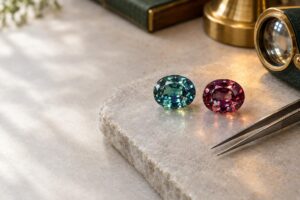 Alexandrite
Hardness 8.5
Quick view
-
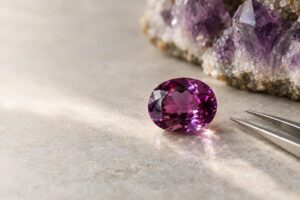 Amethyst
Hardness 7
Quick view
-
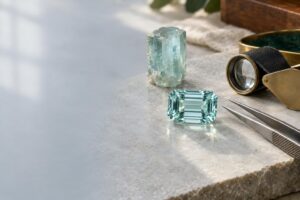 Aquamarine
Hardness 7.5–8 · March
Quick view
-
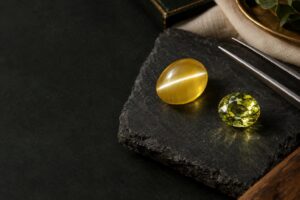 Chrysoberyl
Hardness 8.5 · June
Quick view
-
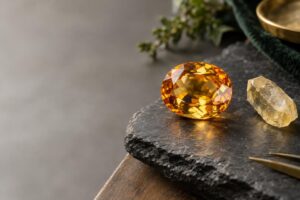 Citrine
Hardness 7 · November
Quick view
-
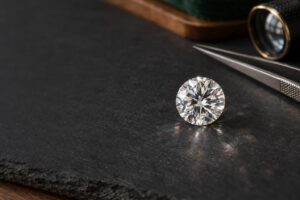 Diamond
Hardness 10 · April
Quick view
-
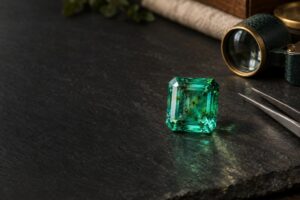 Emerald
Hardness 7.5–8
Quick view
-
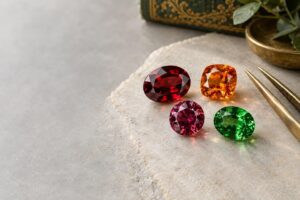 Garnet
Hardness 6.5–7.5
Quick view
-
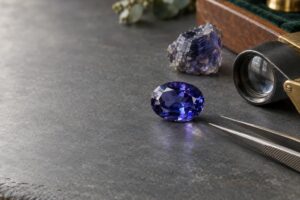 Iolite
Hardness 7–7.5
Quick view
-
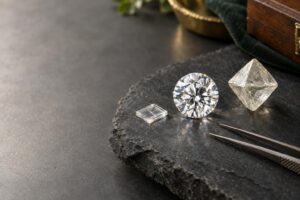 Laboratory-grown
 diamond
Hardness 10
Quick view
-
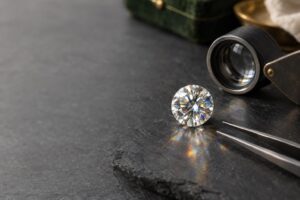 Laboratory-grown
 moissanite
Hardness 9.25
Quick view
-
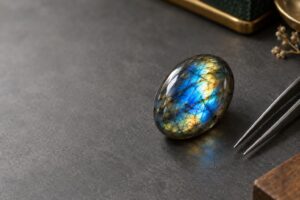 Labradorite
Hardness 6–6.5
Quick view
-
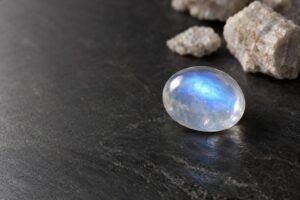 Moonstone
Hardness 6–6.5
Quick view
-
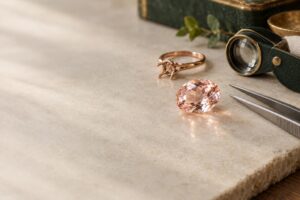 Morganite
Hardness 7.5–8
Quick view
-
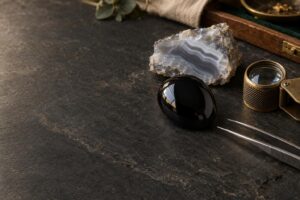 Onyx
Hardness 6.5–7
Quick view
-
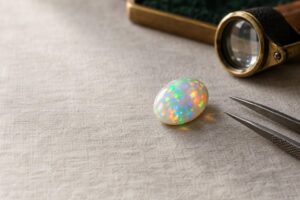 Opal
Hardness 5–6.5
Quick view
-
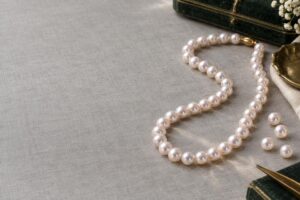 Pearl
Hardness 2.5
Quick view
-
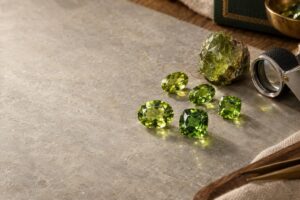 Peridot
Hardness 6.5–7 · August
Quick view
-
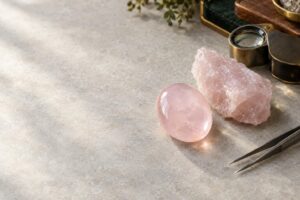 Rose quartz
Hardness 7
Quick view
-
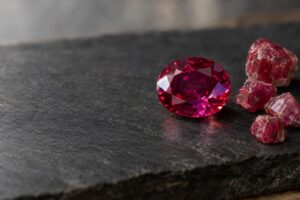 Ruby
Hardness 9
Quick view
-
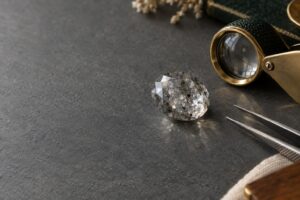 Salt-and-pepper diamond
Hardness 10
Quick view
-
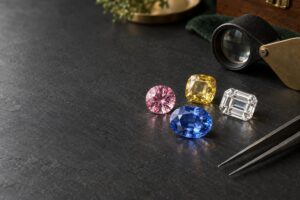 Sapphire
Hardness 9
Quick view
-
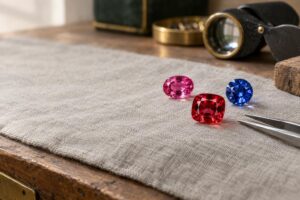 Spinel
Hardness 8
Quick view
-
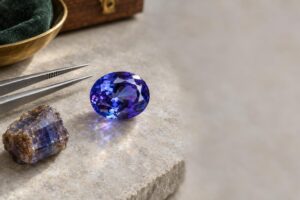 Tanzanite
Hardness 6–7 · December
Quick view
-
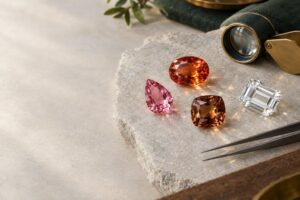 Topaz
Hardness 8
Quick view
-
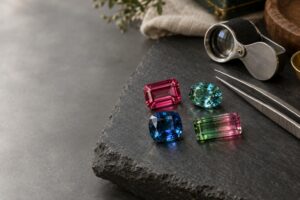 Tourmaline
Hardness 7–7.5
Quick view
-
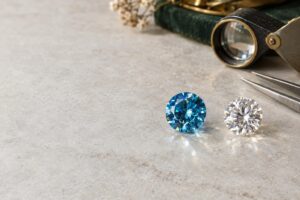 Zircon
Hardness 6–7.5 · December
Quick view
Quick overview
Ruby
Ruby is the red variety of corundum, coloured by chromium. [cite ref="s1"] It is 9 on the Mohs scale and very tough, but lead-glass-filled rubies need more care. [cite ref="s3"]
- Classification
- Mineral variety
- Mohs hardness
- 9 (scratch resistance — one part of durability)
- Wear considerations
- Untreated and heat-treated ruby is very durable: corundum is 9 on the Mohs scale, with excellent toughness and no cleavage, and fracture-filled ruby needs more care. [cite ref="s3"] Glass fillers can scratch more easily than the host stone and are more easily damaged by heat or some acids. [cite ref="s6"] In GIA testing, the lead-glass filler reacted with jewellers' pickling solution, and oven cleaner, ammonia, bleach and concentrated lemon juice etched it. [cite ref="s4"]
- Treatment
- Heating (for colour and/or clarity), Flux-assisted healing of fissures (fracture healing), Lead-glass filling of fractures and cavities, Diffusion, Dyeing, Coating, Synthetic overgrowth
- Care
- Warm soapy water is always safe for ruby. Clean rubies that are fracture-filled, cavity-filled or dyed only with a damp cloth. Ultrasonic and steam cleaners are usually safe for untreated, heat-treated and…
Individual gemstones vary. Care depends on treatment, setting and condition. Encyclopedia inclusion does not confirm availability.
Individual gemstones vary · care depends on treatment, setting and condition · birthstone traditions vary · encyclopedia inclusion does not confirm availability.